

Electric car coolants – Setting new standards for battery system safety
Year of publication: 2026
BYD is based in China and is the world’s largest manufacturer of electric cars and plug-in hybrids. Its goal is to produce all electric cars sold in Europe locally within three years and thus avoid potential EU tariffs. Plants in Hungary and Turkey are already under construction. Spain is being discussed as a location for a third plant*. Vehicles from the Chinese brands GAC and XPeng are already rolling off the production line at the contract manufacturer MAGNA Steyr in Graz, Austria. Local suppliers are also involved in car production in Europe.
However, almost all products from European suppliers must comply with the GB standard (Guobiao) of the Standardisation Administration of the People’s Republic of China. This also applies to operating equipment. From 1 October 2025, all coolants for use in lithium-ion batteries for electric cars from BYD and other manufacturers must comply with the new standard GB 29743.2-2025. Above all, this requires an extremely low electrical conductivity of less than 100 μS/cm (microsiemens) as well as a permissible increase to 300 μS/cm over the course of use. The stricter standard is intended to significantly reduce the risk of short circuits and thermal runaway.
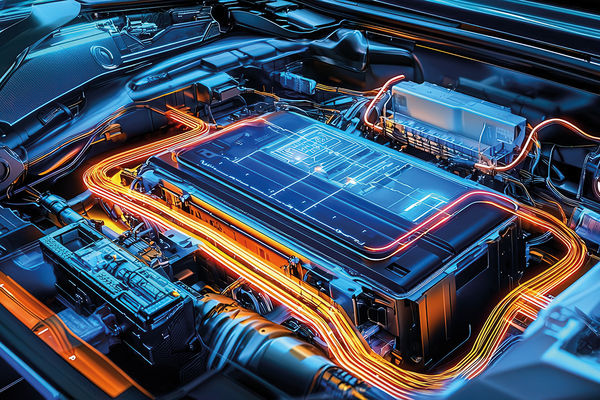
Coolants in accordance with GB 29743.2-2025 are not only supplied by Chinese manufacturers. For example, they are also already being produced by Dober, a renowned American manufacturer, by BASF in one of its plants in China. And now even in Germany at a branch of the Japanese company CCI in Dormagen.
The demand for even lower conductivity for coolants in electric cars has not appeared out of thin air. It is therefore quite possible that China’s new standards for coolants for electric vehicles will also be adopted by the Western world. After all, products in accordance with GB 29743.2-2025 are intended to increase the safety, efficiency and longevity of lithium-ion batteries and other batteries. The new standard is intended to significantly reduce the risk of thermal runaway of batteries in electric cars, particularly in the event of leaks or accidents in which coolant may come into contact with high-voltage components.
Statistically**, electric cars are not more vulnerable to fires than those with combustion engines. However, if the battery of an electric vehicle is involved, a fire can be extremely difficult to extinguish. The cause of the fire is in most cases a thermal runaway. If individual cells of a lithium-ion battery overheat, e.g. due to small short circuits, they heat up adjacent cells. As a result, flammable gases and oxygen form from the electrolyte. For example, the anodic side of the battery cell, which consists of lithium carbon compounds, can catch fire. If the resulting gases then explode, the fire really picks up and becomes uncontrollable.
To minimise the risk of thermal runaway, it is essential to use a suitable low conductivity coolant for the battery. After all, all highly conductive products can quickly become a safety problem when in contact with high-voltage components.

For electric car batteries: lowbrid OAT coolant
The cooling systems of electric cars are mainly operated with so-called lowbrid OAT coolants. They contain a small proportion of silicate or phosphate, are only slightly electrically conductive and also contain corrosion inhibitors based on organic acids.
Coolants according to GB 29743.2-2025 are also based on this technology. However, their extremely low conductivity is only one of the criteria against which they are measured for use in electric car batteries. For example, they must also have excellent long-term stability and sufficient corrosion protection for aluminium and non-ferrous metals such as copper. In addition, they should be highly compatible with the materials of all components as well as with sealing materials. Flux inhibitors are sometimes added to prevent damage caused by any flux residues*** from soldering processes in the cooling system.
OELCHECK premium analysis kit: For used and newly developed coolants
The OELCHECK all-inclusive premium analysis kit is the first choice for assessing lowbrid OAT coolants for electric cars. It examines the decisive parameters of used coolants - but also sheds light on the composition of new products and highlights changes during development attempts.
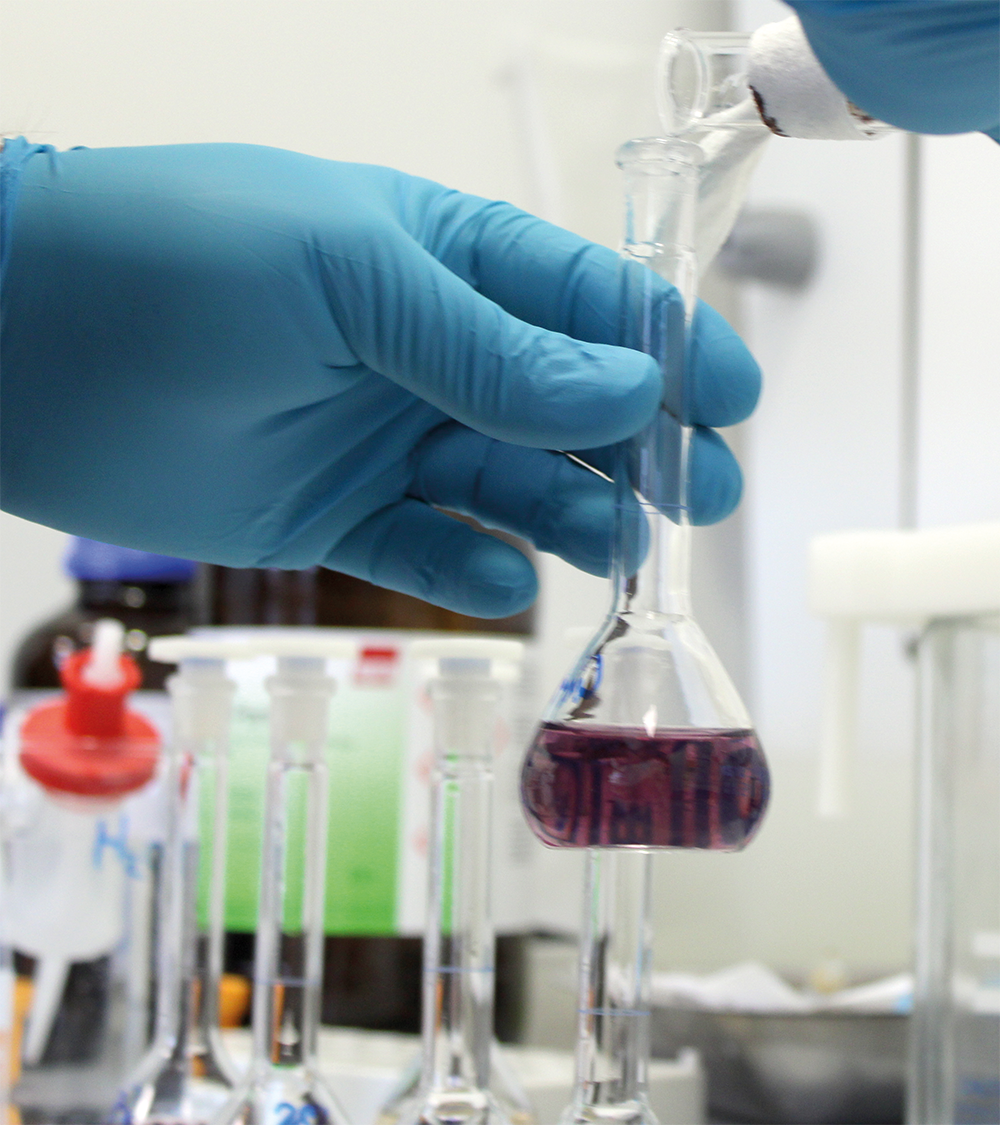
As part of the all-inclusive premium analysis kit, OELCHECK evaluates, among other things:
- The condition of the coolant: how it has aged or degradation products. In the case of coolants, these mainly include glycolate, oxalate and formiate.
- The electrical conductivity at 25°C in μS/cm.
- Changes to additives, including corrosion inhibitors based on organic acids.
- Contaminants and
- elements indicating corrosive wear
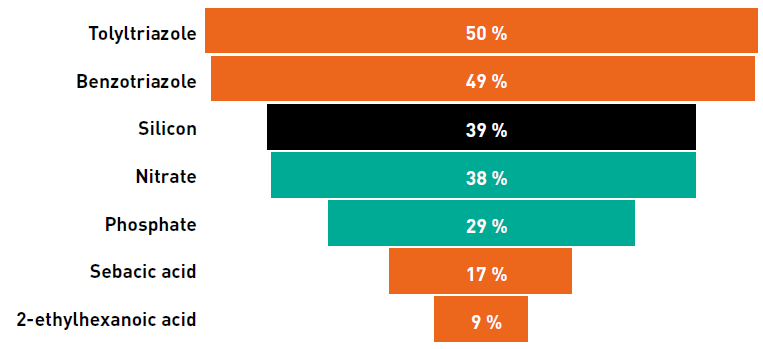
The composition of the additive packages of lowbrid OAT coolants for corrosion protection will not be of particular interest until the entry into force of the new Chinese standard GB 29743.2-2025. A whole series of studies of different EV coolants with the OELCHECK premium analysis kit have produced informative results. A wide range of corrosion protection inhibitors in various different concentrations and combinations could be detected in the samples. Tolytriazoles and benzotriazoles were most commonly represented. These two organic compounds protect above all copper and its alloys from corrosion.
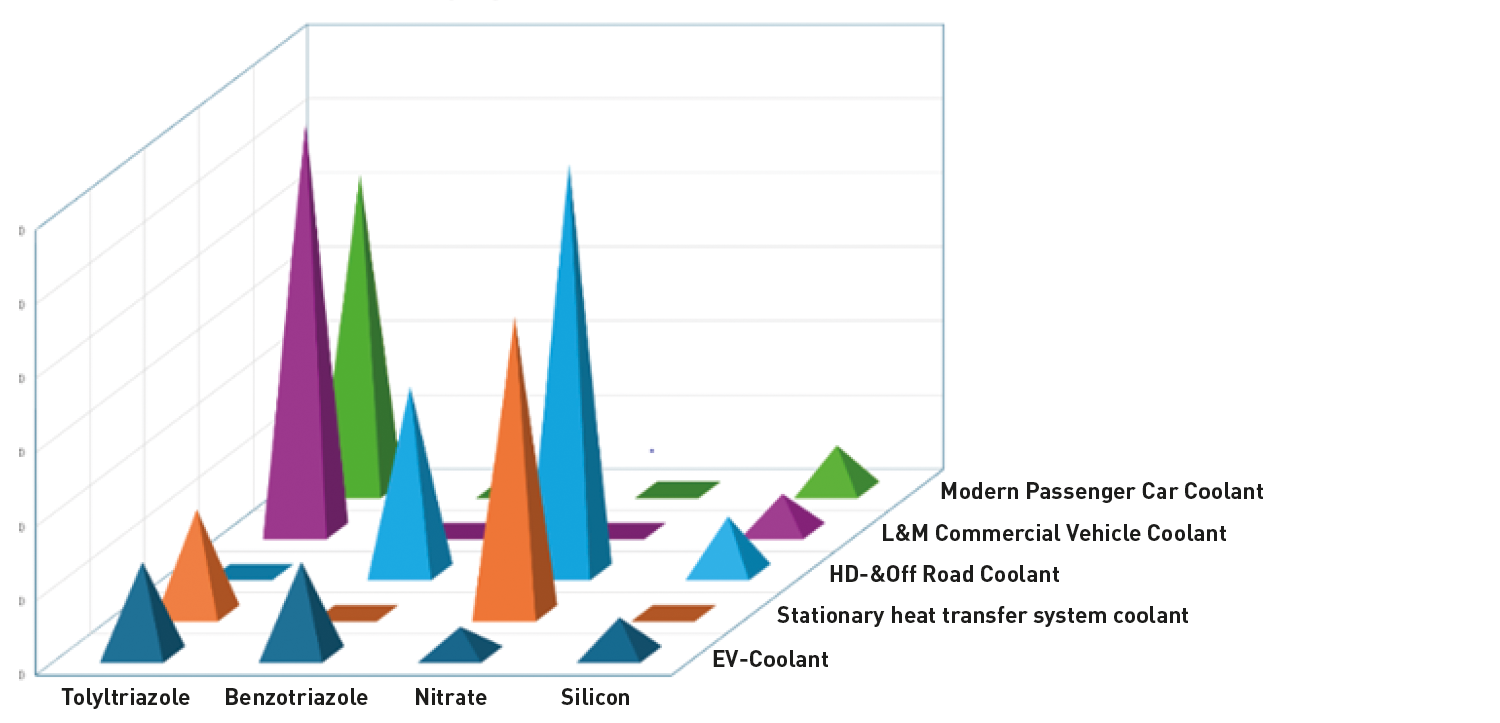
As part of our extensive studies with the premium analysis kit, we also carried out a comparison of additive types and their concentrations in EV coolants with those in products for other, traditional applications in the OELCHECK laboratory. It became very clear how low the additive content of typical EV coolants is!

Cooling of electric vehicles: where are we headed?
With their low level of additives and the high requirements for their low electrical conductivity, some EV coolants are intended for use over the entire service life of an electric vehicle. Some manufacturers are already planning to replace the fluid regularly after a few years. In the long term, sensors that detect any changes in conductivity could provide more certainty. The OELCHECK laboratory analyses of the used coolants will also contribute to a better understanding of the electric vehicles as well as help improve their safety.
With the new standard GB 29743.2-2025 for coolants, China has set new standards for the safety of battery systems in electric vehicles. Other international standards bodies will probably follow the Chinese regulations in their guidelines. European vehicle manufacturers and suppliers are already aligning their coolant technologies and strategies to meet the increased safety requirements. However, the development and production of coolants should continue to take place locally. Manufacturers are actively supported by companies such as OELCHECK. In this way, the expertise will remain in Europe in the future and, at the same time, competitiveness on the global market will be safeguarded.
* Handelsblatt, 15/10/2025
** www.gdv.de
*** More under “Fluxes and Coolants - not the best of friends”, OELCHECKER Winter 2023
OELCHECKER Winter 2025, page 4-5


