


Trends, Tips & Tricks
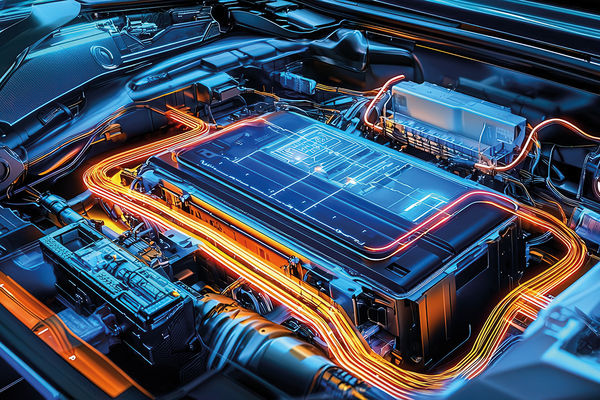
Electric car coolants – Setting new standards for battery system safety
Year of publication: 2026
BYD is based in China and is the world’s largest manufacturer of electric cars and plug-in hybrids. Its goal is to produce all electric cars sold in Europe locally within three years and thus avoid potential EU tariffs. Plants in Hungary and Turkey are already under construction. Spain is being discussed as a location for a third plant*. Vehicles from the Chinese brands GAC and XPeng are already rolling off the production line at the contract manufacturer MAGNA Steyr in Graz, Austria. Local suppliers are also involved in car production in Europe.
However, almost all products from European suppliers must comply with the GB standard (Guobiao) of the Standardisation Administration of the People’s Republic of China. This also applies to operating equipment. From 1 October 2025, all coolants for use in lithium-ion batteries for electric cars from BYD and other manufacturers must comply with the new standard GB 29743.2-2025. Above all, this requires an extremely low electrical conductivity of less than 100 μS/cm (microsiemens) as well as a permissible increase to 300 μS/cm over the course of use. The stricter standard is intended to significantly reduce the risk of short circuits and thermal runaway.
- 10 tips for the OELCHECK laboratory report
- Analysis kits for coolant and anti-freeze agents
- Analysis kits for refrigeration compressor oils
- Basic rules when switching to a physiologically harmless lubricant
- Bio hydraulic fluids stress tested
- Condition-based oil changes. Save money and protect the environment
- Coolant analyses uncover damage in cooling systems
- Coolant monitoring
- Digitalisation and lubricant analysis – A perfect combination
- Disposal and selection of rapidly biodegradable hydraulic oils
- E-mobiles - lubrication and cooling under power
- Electric car coolants – Setting new standards for battery system safety
- Engine oils for vehicles – Current trends and oil analysis
- Error Source Analysis: Engine Oils
- Extract filter specimens correctly
- Fault source analysis: Gear oils
- Fault Source Analysis: Hydraulic Oils
- Grease removal
- How do we avoid delays and optimise our lubricant examinations?
- Hydraulic fluids and problematic mixtures
- Lubricants and Condition Monitoring - OELCHECK Recognises Future Trends
- Non-ferrous metal inhibitor
- OELCHECK app and LAB.REPORT
- Oil analyses – Professional evaluation
- Organic oils & trend analyses
- Prepare new installation perfectly
- Record prices for fuels but the alternatives are limited
- Reducing CO₂ emissions – Oil changes and analyses are key factors
- Sampling – Basis for reliable analyses and diagnoses
- Standard for AN (Acid Number)
- Storage and handling of lubricants
- Storage and handling of lubricants – 9 rules and no errors
- Sustainability and energy efficiency thanks to modern lubricants?
- Think big and act sustainably – Lubricants for mining machines


